%22%2F%3E%0A%20%20%20%20%20%20%3Crect%20x%3D%2260%22%20y%3D%2256%22%20width%3D%221480%22%20height%3D%22788%22%20rx%3D%2242%22%20fill%3D%22rgba(15%2C23%2C42%2C0.42)%22%20stroke%3D%22rgba(148%2C163%2C184%2C0.18)%22%2F%3E%0A%20%20%20%20%20%20%3Ccircle%20cx%3D%221420%22%20cy%3D%22146%22%20r%3D%22128%22%20fill%3D%22%2344403c%22%20fill-opacity%3D%220.14%22%2F%3E%0A%20%20%20%20%20%20%3Ccircle%20cx%3D%22180%22%20cy%3D%22760%22%20r%3D%22140%22%20fill%3D%22%23d6d3d1%22%20fill-opacity%3D%220.08%22%2F%3E%0A%20%20%20%20%20%20%3Crect%20x%3D%22108%22%20y%3D%22100%22%20width%3D%22214%22%20height%3D%2240%22%20rx%3D%2220%22%20fill%3D%22rgba(255%2C255%2C255%2C0.08)%22%2F%3E%0A%20%20%20%20%20%20%3Ctext%20x%3D%22136%22%20y%3D%22126%22%20fill%3D%22%23cbd5e1%22%20font-family%3D%22Arial%2C%20sans-serif%22%20font-size%3D%2218%22%20font-weight%3D%22700%22%20letter-spacing%3D%222.6%22%3ETRADELINK%20BLOG%3C%2Ftext%3E%0A%20%20%20%20%20%20%3Ctext%20x%3D%22112%22%20y%3D%22194%22%20fill%3D%22%23f8fafc%22%20font-family%3D%22Arial%2C%20sans-serif%22%20font-size%3D%2240%22%20font-weight%3D%22600%22%3Etradingview%20automation%3C%2Ftext%3E%3Ctext%20x%3D%22112%22%20y%3D%22242%22%20fill%3D%22%23f8fafc%22%20font-family%3D%22Arial%2C%20sans-serif%22%20font-size%3D%2240%22%20font-weight%3D%22600%22%3Ereview%20cadence%3C%2Ftext%3E%0A%20%20%20%20%20%20%3Ctext%20x%3D%22112%22%20y%3D%22260%22%20fill%3D%22%2394a3b8%22%20font-family%3D%22Arial%2C%20sans-serif%22%20font-size%3D%2222%22%20font-weight%3D%22600%22%3ETurn%20a%20vague%20habit%20into%20a%20repeatable%3C%2Ftext%3E%3Ctext%20x%3D%22112%22%20y%3D%22290%22%20fill%3D%22%2394a3b8%22%20font-family%3D%22Arial%2C%20sans-serif%22%20font-size%3D%2222%22%20font-weight%3D%22600%22%3Eoperating%20system.%3C%2Ftext%3E%0A%20%20%20%20%20%20%3Ctext%20x%3D%22112%22%20y%3D%22804%22%20fill%3D%22%23d6d3d1%22%20font-family%3D%22Arial%2C%20sans-serif%22%20font-size%3D%2222%22%20font-weight%3D%22700%22%3EProcess%20before%20emotion%3C%2Ftext%3E%0A%20%20%20%20%20%20%0A%20%20%20%20%20%20%0A%20%20%20%20%20%20%0A%20%20%20%20%20%20%20%20%3Crect%20x%3D%2296%22%20y%3D%22314%22%20width%3D%22280%22%20height%3D%22136%22%20rx%3D%2228%22%20fill%3D%22rgba(15%2C23%2C42%2C0.72)%22%20stroke%3D%22rgba(148%2C163%2C184%2C0.2)%22%2F%3E%0A%20%20%20%20%20%20%20%20%3Crect%20x%3D%22120%22%20y%3D%22350%22%20width%3D%2228%22%20height%3D%2228%22%20rx%3D%228%22%20fill%3D%22none%22%20stroke%3D%22%23d6d3d1%22%20stroke-width%3D%224%22%2F%3E%3Cpath%20d%3D%22M128%20366L136%20374L150%20356%22%20stroke%3D%22%23d6d3d1%22%20stroke-width%3D%225%22%20stroke-linecap%3D%22round%22%20stroke-linejoin%3D%22round%22%2F%3E%0A%20%20%20%20%20%20%20%20%3Ctext%20x%3D%22166%22%20y%3D%22368%22%20fill%3D%22%23e2e8f0%22%20font-family%3D%22Arial%2C%20sans-serif%22%20font-size%3D%2224%22%20font-weight%3D%22600%22%3EPrep%3C%2Ftext%3E%0A%20%20%20%20%20%20%0A%20%20%20%20%20%20%20%20%3Crect%20x%3D%22416%22%20y%3D%22314%22%20width%3D%22280%22%20height%3D%22136%22%20rx%3D%2228%22%20fill%3D%22rgba(15%2C23%2C42%2C0.72)%22%20stroke%3D%22rgba(148%2C163%2C184%2C0.2)%22%2F%3E%0A%20%20%20%20%20%20%20%20%3Crect%20x%3D%22440%22%20y%3D%22350%22%20width%3D%2228%22%20height%3D%2228%22%20rx%3D%228%22%20fill%3D%22none%22%20stroke%3D%22%23d6d3d1%22%20stroke-width%3D%224%22%2F%3E%3Cpath%20d%3D%22M448%20366L456%20374L470%20356%22%20stroke%3D%22%23d6d3d1%22%20stroke-width%3D%225%22%20stroke-linecap%3D%22round%22%20stroke-linejoin%3D%22round%22%2F%3E%0A%20%20%20%20%20%20%20%20%3Ctext%20x%3D%22486%22%20y%3D%22368%22%20fill%3D%22%23e2e8f0%22%20font-family%3D%22Arial%2C%20sans-serif%22%20font-size%3D%2224%22%20font-weight%3D%22600%22%3EExecution%20notes%3C%2Ftext%3E%0A%20%20%20%20%20%20%0A%20%20%20%20%20%20%20%20%3Crect%20x%3D%22736%22%20y%3D%22314%22%20width%3D%22280%22%20height%3D%22136%22%20rx%3D%2228%22%20fill%3D%22rgba(15%2C23%2C42%2C0.72)%22%20stroke%3D%22rgba(148%2C163%2C184%2C0.2)%22%2F%3E%0A%20%20%20%20%20%20%20%20%3Crect%20x%3D%22760%22%20y%3D%22350%22%20width%3D%2228%22%20height%3D%2228%22%20rx%3D%228%22%20fill%3D%22none%22%20stroke%3D%22%23d6d3d1%22%20stroke-width%3D%224%22%2F%3E%3Cpath%20d%3D%22M768%20366L776%20374L790%20356%22%20stroke%3D%22%23d6d3d1%22%20stroke-width%3D%225%22%20stroke-linecap%3D%22round%22%20stroke-linejoin%3D%22round%22%2F%3E%0A%20%20%20%20%20%20%20%20%3Ctext%20x%3D%22806%22%20y%3D%22368%22%20fill%3D%22%23e2e8f0%22%20font-family%3D%22Arial%2C%20sans-serif%22%20font-size%3D%2224%22%20font-weight%3D%22600%22%3EReview%20prompt%3C%2Ftext%3E%0A%20%20%20%20%20%20%0A%20%20%20%20%20%20%20%20%3Crect%20x%3D%221056%22%20y%3D%22314%22%20width%3D%22280%22%20height%3D%22136%22%20rx%3D%2228%22%20fill%3D%22rgba(15%2C23%2C42%2C0.72)%22%20stroke%3D%22rgba(148%2C163%2C184%2C0.2)%22%2F%3E%0A%20%20%20%20%20%20%20%20%3Crect%20x%3D%221080%22%20y%3D%22350%22%20width%3D%2228%22%20height%3D%2228%22%20rx%3D%228%22%20fill%3D%22none%22%20stroke%3D%22%23d6d3d1%22%20stroke-width%3D%224%22%2F%3E%3Cpath%20d%3D%22M1088%20366L1096%20374L1110%20356%22%20stroke%3D%22%23d6d3d1%22%20stroke-width%3D%225%22%20stroke-linecap%3D%22round%22%20stroke-linejoin%3D%22round%22%2F%3E%0A%20%20%20%20%20%20%20%20%3Ctext%20x%3D%221126%22%20y%3D%22368%22%20fill%3D%22%23e2e8f0%22%20font-family%3D%22Arial%2C%20sans-serif%22%20font-size%3D%2224%22%20font-weight%3D%22600%22%3ENext%20revision%3C%2Ftext%3E%0A%20%20%20%20%20%20%0A%20%20%20%20%3C%2Fsvg%3E)
Key takeaways
- tradingview automation should be taught as a repeatable workflow, not as a vague concept or motivational slogan.
- A strong article answers the full chain: context, deterministic rules, execution validation, mistakes, and review.
- The fastest way to break a live setup is to automate assumptions that were never clearly written down in the first place.
- A pre-live checklist and a post-trade review loop create more durable results than adding more complexity.
Readers who search for tradingview automation are usually not looking for another motivational paragraph. They are trying to connect a market idea to a real workflow: what to watch, what to ignore, how to define the setup cleanly, and how to review it after the fact without rewriting history. A strong article has to meet that operator need, not just summarize the concept.
This guide treats TradingView automation checklist: what traders should verify before going live like an operating decision, not a branding exercise. The goal is to show how an active trader can write down context, define the trigger in plain language, check execution and risk constraints, and review weak sessions without hiding behind vague language. That is the kind of article that earns organic traffic because it actually resolves the search intent.
%22%2F%3E%0A%20%20%20%20%20%20%3Crect%20x%3D%2260%22%20y%3D%2256%22%20width%3D%221280%22%20height%3D%22708%22%20rx%3D%2242%22%20fill%3D%22rgba(15%2C23%2C42%2C0.42)%22%20stroke%3D%22rgba(148%2C163%2C184%2C0.18)%22%2F%3E%0A%20%20%20%20%20%20%3Ccircle%20cx%3D%221220%22%20cy%3D%22146%22%20r%3D%22128%22%20fill%3D%22%2344403c%22%20fill-opacity%3D%220.14%22%2F%3E%0A%20%20%20%20%20%20%3Ccircle%20cx%3D%22180%22%20cy%3D%22680%22%20r%3D%22140%22%20fill%3D%22%23d6d3d1%22%20fill-opacity%3D%220.08%22%2F%3E%0A%20%20%20%20%20%20%3Crect%20x%3D%22108%22%20y%3D%22100%22%20width%3D%22214%22%20height%3D%2240%22%20rx%3D%2220%22%20fill%3D%22rgba(255%2C255%2C255%2C0.08)%22%2F%3E%0A%20%20%20%20%20%20%3Ctext%20x%3D%22136%22%20y%3D%22126%22%20fill%3D%22%23cbd5e1%22%20font-family%3D%22Arial%2C%20sans-serif%22%20font-size%3D%2218%22%20font-weight%3D%22700%22%20letter-spacing%3D%222.6%22%3ETRADELINK%20BLOG%3C%2Ftext%3E%0A%20%20%20%20%20%20%3Ctext%20x%3D%22112%22%20y%3D%22194%22%20fill%3D%22%23f8fafc%22%20font-family%3D%22Arial%2C%20sans-serif%22%20font-size%3D%2234%22%20font-weight%3D%22600%22%3Etradingview%20automation%3C%2Ftext%3E%3Ctext%20x%3D%22112%22%20y%3D%22234%22%20fill%3D%22%23f8fafc%22%20font-family%3D%22Arial%2C%20sans-serif%22%20font-size%3D%2234%22%20font-weight%3D%22600%22%3Ereview%20checklist%3C%2Ftext%3E%0A%20%20%20%20%20%20%3Ctext%20x%3D%22112%22%20y%3D%22260%22%20fill%3D%22%2394a3b8%22%20font-family%3D%22Arial%2C%20sans-serif%22%20font-size%3D%2222%22%20font-weight%3D%22600%22%3EThe%20notes%20that%20make%20the%20next%20session%3C%2Ftext%3E%3Ctext%20x%3D%22112%22%20y%3D%22290%22%20fill%3D%22%2394a3b8%22%20font-family%3D%22Arial%2C%20sans-serif%22%20font-size%3D%2222%22%20font-weight%3D%22600%22%3Ecleaner.%3C%2Ftext%3E%0A%20%20%20%20%20%20%3Ctext%20x%3D%22112%22%20y%3D%22724%22%20fill%3D%22%23d6d3d1%22%20font-family%3D%22Arial%2C%20sans-serif%22%20font-size%3D%2222%22%20font-weight%3D%22700%22%3EReview%20what%20you%20can%20repeat%3C%2Ftext%3E%0A%20%20%20%20%20%20%0A%20%20%20%20%20%20%0A%20%20%20%20%20%20%0A%20%20%20%20%20%20%20%20%3Crect%20x%3D%2296%22%20y%3D%22314%22%20width%3D%22280%22%20height%3D%22136%22%20rx%3D%2228%22%20fill%3D%22rgba(15%2C23%2C42%2C0.72)%22%20stroke%3D%22rgba(148%2C163%2C184%2C0.2)%22%2F%3E%0A%20%20%20%20%20%20%20%20%3Crect%20x%3D%22120%22%20y%3D%22350%22%20width%3D%2228%22%20height%3D%2228%22%20rx%3D%228%22%20fill%3D%22none%22%20stroke%3D%22%23d6d3d1%22%20stroke-width%3D%224%22%2F%3E%3Cpath%20d%3D%22M128%20366L136%20374L150%20356%22%20stroke%3D%22%23d6d3d1%22%20stroke-width%3D%225%22%20stroke-linecap%3D%22round%22%20stroke-linejoin%3D%22round%22%2F%3E%0A%20%20%20%20%20%20%20%20%3Ctext%20x%3D%22166%22%20y%3D%22368%22%20fill%3D%22%23e2e8f0%22%20font-family%3D%22Arial%2C%20sans-serif%22%20font-size%3D%2224%22%20font-weight%3D%22600%22%3EContext%20note%3C%2Ftext%3E%0A%20%20%20%20%20%20%0A%20%20%20%20%20%20%20%20%3Crect%20x%3D%22416%22%20y%3D%22314%22%20width%3D%22280%22%20height%3D%22136%22%20rx%3D%2228%22%20fill%3D%22rgba(15%2C23%2C42%2C0.72)%22%20stroke%3D%22rgba(148%2C163%2C184%2C0.2)%22%2F%3E%0A%20%20%20%20%20%20%20%20%3Crect%20x%3D%22440%22%20y%3D%22350%22%20width%3D%2228%22%20height%3D%2228%22%20rx%3D%228%22%20fill%3D%22none%22%20stroke%3D%22%23d6d3d1%22%20stroke-width%3D%224%22%2F%3E%3Cpath%20d%3D%22M448%20366L456%20374L470%20356%22%20stroke%3D%22%23d6d3d1%22%20stroke-width%3D%225%22%20stroke-linecap%3D%22round%22%20stroke-linejoin%3D%22round%22%2F%3E%0A%20%20%20%20%20%20%20%20%3Ctext%20x%3D%22486%22%20y%3D%22368%22%20fill%3D%22%23e2e8f0%22%20font-family%3D%22Arial%2C%20sans-serif%22%20font-size%3D%2224%22%20font-weight%3D%22600%22%3EDecision%20note%3C%2Ftext%3E%0A%20%20%20%20%20%20%0A%20%20%20%20%20%20%20%20%3Crect%20x%3D%22736%22%20y%3D%22314%22%20width%3D%22280%22%20height%3D%22136%22%20rx%3D%2228%22%20fill%3D%22rgba(15%2C23%2C42%2C0.72)%22%20stroke%3D%22rgba(148%2C163%2C184%2C0.2)%22%2F%3E%0A%20%20%20%20%20%20%20%20%3Crect%20x%3D%22760%22%20y%3D%22350%22%20width%3D%2228%22%20height%3D%2228%22%20rx%3D%228%22%20fill%3D%22none%22%20stroke%3D%22%23d6d3d1%22%20stroke-width%3D%224%22%2F%3E%3Cpath%20d%3D%22M768%20366L776%20374L790%20356%22%20stroke%3D%22%23d6d3d1%22%20stroke-width%3D%225%22%20stroke-linecap%3D%22round%22%20stroke-linejoin%3D%22round%22%2F%3E%0A%20%20%20%20%20%20%20%20%3Ctext%20x%3D%22806%22%20y%3D%22368%22%20fill%3D%22%23e2e8f0%22%20font-family%3D%22Arial%2C%20sans-serif%22%20font-size%3D%2224%22%20font-weight%3D%22600%22%3EExecution%20note%3C%2Ftext%3E%0A%20%20%20%20%20%20%0A%20%20%20%20%20%20%20%20%3Crect%20x%3D%221056%22%20y%3D%22314%22%20width%3D%22280%22%20height%3D%22136%22%20rx%3D%2228%22%20fill%3D%22rgba(15%2C23%2C42%2C0.72)%22%20stroke%3D%22rgba(148%2C163%2C184%2C0.2)%22%2F%3E%0A%20%20%20%20%20%20%20%20%3Crect%20x%3D%221080%22%20y%3D%22350%22%20width%3D%2228%22%20height%3D%2228%22%20rx%3D%228%22%20fill%3D%22none%22%20stroke%3D%22%23d6d3d1%22%20stroke-width%3D%224%22%2F%3E%3Cpath%20d%3D%22M1088%20366L1096%20374L1110%20356%22%20stroke%3D%22%23d6d3d1%22%20stroke-width%3D%225%22%20stroke-linecap%3D%22round%22%20stroke-linejoin%3D%22round%22%2F%3E%0A%20%20%20%20%20%20%20%20%3Ctext%20x%3D%221126%22%20y%3D%22368%22%20fill%3D%22%23e2e8f0%22%20font-family%3D%22Arial%2C%20sans-serif%22%20font-size%3D%2224%22%20font-weight%3D%22600%22%3EOne%20revision%3C%2Ftext%3E%0A%20%20%20%20%20%20%0A%20%20%20%20%3C%2Fsvg%3E)
We will move through the topic in the same sequence a disciplined desk would use: define the job, filter the environment, translate the setup into deterministic instructions, test an example workflow, pressure-test the failure modes, and finish with the checklist and review loop that keep the process honest.
Start with the trader problem before the tool
Search intent around tradingview automation usually centers on tactics, but the initial framing stage is where the useful edge is built. Start with the trader problem before the tool decides whether the trade plan can survive speed, uncertainty, and review pressure without turning into hindsight. If the job of the initial framing stage is unclear here, every downstream decision gets noisier.
Start with the trader problem before the tool is the layer where traders stop collecting content and start building an operating system. A better process makes good decisions easier to repeat and weak assumptions easier to expose.
Define the job the workflow is supposed to do
A recurring mistake inside the initial framing stage is trying to bolt the idea onto a routine that was never clearly defined in the first place. The reason it survives for so long is that the trader can usually explain the initial framing stage after the trade. The problem is that post-trade explanation inside the initial framing stage is not the same thing as pre-trade clarity. Once volatility expands or several setups compete for attention, the ambiguity inside the initial framing stage starts steering the outcome.
A stronger operating move is describing the exact decision the workflow is meant to improve, including when it should stay inactive and when it should hand control back to the trader. In practice, the initial framing stage should leave behind an artifact the desk can review later: a playbook page, a note about the exact setup conditions, and a rule that another operator could follow without guessing what you meant. When the initial framing stage survives that handoff, it is usually precise enough to improve.
Use Did the workflow solve a real execution problem, or did it just make an unclear process move faster? as the audit question after the session. The answer should point to evidence, not to a mood. If the desk cannot recover the evidence for the initial framing stage from the plan, notes, or execution trail, the next revision should simplify the rule rather than add another clever exception.
Build market context before you build the trigger
Build market context before you build the trigger is usually where tradingview automation stops being an interesting idea and becomes a workflow that can actually be trusted. During the context stage, traders often focus on the trigger itself, but this stage is where the desk decides what the setup is supposed to accomplish, where discretion still belongs, and which assumptions need to be visible before the session starts. In workflow-heavy topics, the context stage usually becomes visible when the plan has to survive real timestamps, real account state, and real review notes instead of a replay narrative.
Build market context before you build the trigger is the layer where traders stop collecting content and start building an operating system. A better process makes good decisions easier to repeat and weak assumptions easier to expose.
Context should narrow the trade, not decorate it
A recurring mistake inside the context stage is using the same trigger in trend, balance, thin lunchtime trade, and event-driven volatility without changing the surrounding rules. The reason it survives for so long is that the trader can usually explain the context stage after the trade. The problem is that post-trade explanation inside the context stage is not the same thing as pre-trade clarity. Once volatility expands or several setups compete for attention, the ambiguity inside the context stage starts steering the outcome.
A stronger operating move is writing down the environmental filters first, including session type, liquidity expectations, location, and the market state that makes the signal worth trusting. In practice, the context stage should leave behind an artifact the desk can review later: a playbook page, a note about the exact setup conditions, and a rule that another operator could follow without guessing what you meant. When the context stage survives that handoff, it is usually precise enough to improve.
Use Would the same alert still make sense if another operator had to explain the surrounding context from the chart alone? as the audit question after the session. The answer should point to evidence, not to a mood. If the desk cannot recover the evidence for the context stage from the plan, notes, or execution trail, the next revision should simplify the rule rather than add another clever exception.
Translate the idea into deterministic instructions
Most operators discover the real difficulty of tradingview automation during the translation stage, not only at the moment of entry. The translation layer inside tradingview automation matters because it forces the trader to separate observation from action, context from confirmation, and written rules from improvisation. When the separation inside the translation stage is vague, the setup can sound sophisticated while still being impossible to audit cleanly.
Process topics work best when the translation stage leaves behind evidence: notes, tags, screenshots, and a review cadence that can explain why a session was clean or chaotic without relying on memory.
A signal is only useful when the downstream system can read it cleanly
The common failure in the translation stage is sending vague signals that leave the routing layer to infer whether the trade is an entry, an add, a reduce, or a flatten instruction. That often looks harmless in a calm replay because the trader can fill in the missing detail around the translation stage from memory. Live conditions are less generous once the translation stage has to survive real pace. As pressure increases, the gray areas inside the translation stage become delayed entries, skipped filters, inconsistent risk, and notes that no longer match the actual decision path.
The better adjustment is turning the setup into deterministic fields: instrument, side, size rule, time window, pause condition, and what should happen if the account state does not match the expectation. That change sounds simple, but it forces the translation stage to become concrete. Instead of relying on memory, the trader ends the section with a review worksheet, explicit conditions tied to the live setup, and a cleaner line between “valid” and “not valid.”
The review question for this section should be blunt: Could the same signal be interpreted two different ways by the execution layer or by a second human reviewer? A useful answer for the translation stage should be visible in the checklist, journal, screenshot tags, or routing log. If the only answer available for the translation stage is “it felt right,” then the process is still depending on discretion in a place that should already be documented.
%22%2F%3E%0A%20%20%20%20%20%20%3Crect%20x%3D%2260%22%20y%3D%2256%22%20width%3D%221280%22%20height%3D%22708%22%20rx%3D%2242%22%20fill%3D%22rgba(15%2C23%2C42%2C0.42)%22%20stroke%3D%22rgba(148%2C163%2C184%2C0.18)%22%2F%3E%0A%20%20%20%20%20%20%3Ccircle%20cx%3D%221220%22%20cy%3D%22146%22%20r%3D%22128%22%20fill%3D%22%2344403c%22%20fill-opacity%3D%220.14%22%2F%3E%0A%20%20%20%20%20%20%3Ccircle%20cx%3D%22180%22%20cy%3D%22680%22%20r%3D%22140%22%20fill%3D%22%23d6d3d1%22%20fill-opacity%3D%220.08%22%2F%3E%0A%20%20%20%20%20%20%3Crect%20x%3D%22108%22%20y%3D%22100%22%20width%3D%22214%22%20height%3D%2240%22%20rx%3D%2220%22%20fill%3D%22rgba(255%2C255%2C255%2C0.08)%22%2F%3E%0A%20%20%20%20%20%20%3Ctext%20x%3D%22136%22%20y%3D%22126%22%20fill%3D%22%23cbd5e1%22%20font-family%3D%22Arial%2C%20sans-serif%22%20font-size%3D%2218%22%20font-weight%3D%22700%22%20letter-spacing%3D%222.6%22%3ETRADELINK%20BLOG%3C%2Ftext%3E%0A%20%20%20%20%20%20%3Ctext%20x%3D%22112%22%20y%3D%22194%22%20fill%3D%22%23f8fafc%22%20font-family%3D%22Arial%2C%20sans-serif%22%20font-size%3D%2234%22%20font-weight%3D%22600%22%3Etradingview%20automation%3C%2Ftext%3E%3Ctext%20x%3D%22112%22%20y%3D%22234%22%20fill%3D%22%23f8fafc%22%20font-family%3D%22Arial%2C%20sans-serif%22%20font-size%3D%2234%22%20font-weight%3D%22600%22%3Esession%20framework%3C%2Ftext%3E%0A%20%20%20%20%20%20%3Ctext%20x%3D%22112%22%20y%3D%22260%22%20fill%3D%22%2394a3b8%22%20font-family%3D%22Arial%2C%20sans-serif%22%20font-size%3D%2222%22%20font-weight%3D%22600%22%3EA%20tighter%20way%20to%20prep%2C%20execute%2C%20and%3C%2Ftext%3E%3Ctext%20x%3D%22112%22%20y%3D%22290%22%20fill%3D%22%2394a3b8%22%20font-family%3D%22Arial%2C%20sans-serif%22%20font-size%3D%2222%22%20font-weight%3D%22600%22%3Ereview.%3C%2Ftext%3E%0A%20%20%20%20%20%20%3Ctext%20x%3D%22112%22%20y%3D%22724%22%20fill%3D%22%23d6d3d1%22%20font-family%3D%22Arial%2C%20sans-serif%22%20font-size%3D%2222%22%20font-weight%3D%22700%22%3ECalm%20comes%20from%20process%3C%2Ftext%3E%0A%20%20%20%20%20%20%0A%20%20%20%20%20%20%0A%20%20%20%20%20%20%0A%20%20%20%20%20%20%20%20%20%20%3Crect%20x%3D%22120%22%20y%3D%22290%22%20width%3D%22460%22%20height%3D%22144%22%20rx%3D%2232%22%20fill%3D%22rgba(15%2C23%2C42%2C0.72)%22%20stroke%3D%22rgba(148%2C163%2C184%2C0.22)%22%2F%3E%0A%20%20%20%20%20%20%20%20%20%20%3Ccircle%20cx%3D%22176%22%20cy%3D%22350%22%20r%3D%2218%22%20fill%3D%22%2344403c%22%2F%3E%0A%20%20%20%20%20%20%20%20%20%20%3Ctext%20x%3D%22214%22%20y%3D%22356%22%20fill%3D%22%23e2e8f0%22%20font-family%3D%22Arial%2C%20sans-serif%22%20font-size%3D%2228%22%20font-weight%3D%22600%22%3EPrep%3C%2Ftext%3E%0A%20%20%20%20%20%20%20%20%0A%20%20%20%20%20%20%20%20%20%20%3Crect%20x%3D%22680%22%20y%3D%22290%22%20width%3D%22460%22%20height%3D%22144%22%20rx%3D%2232%22%20fill%3D%22rgba(15%2C23%2C42%2C0.72)%22%20stroke%3D%22rgba(148%2C163%2C184%2C0.22)%22%2F%3E%0A%20%20%20%20%20%20%20%20%20%20%3Ccircle%20cx%3D%22736%22%20cy%3D%22350%22%20r%3D%2218%22%20fill%3D%22%2344403c%22%2F%3E%0A%20%20%20%20%20%20%20%20%20%20%3Ctext%20x%3D%22774%22%20y%3D%22356%22%20fill%3D%22%23e2e8f0%22%20font-family%3D%22Arial%2C%20sans-serif%22%20font-size%3D%2228%22%20font-weight%3D%22600%22%3ETrigger%3C%2Ftext%3E%0A%20%20%20%20%20%20%20%20%0A%20%20%20%20%20%20%20%20%20%20%3Crect%20x%3D%22120%22%20y%3D%22480%22%20width%3D%22460%22%20height%3D%22144%22%20rx%3D%2232%22%20fill%3D%22rgba(15%2C23%2C42%2C0.72)%22%20stroke%3D%22rgba(148%2C163%2C184%2C0.22)%22%2F%3E%0A%20%20%20%20%20%20%20%20%20%20%3Ccircle%20cx%3D%22176%22%20cy%3D%22540%22%20r%3D%2218%22%20fill%3D%22%2344403c%22%2F%3E%0A%20%20%20%20%20%20%20%20%20%20%3Ctext%20x%3D%22214%22%20y%3D%22546%22%20fill%3D%22%23e2e8f0%22%20font-family%3D%22Arial%2C%20sans-serif%22%20font-size%3D%2228%22%20font-weight%3D%22600%22%3EPause%20rule%3C%2Ftext%3E%0A%20%20%20%20%20%20%20%20%0A%20%20%20%20%20%20%20%20%20%20%3Crect%20x%3D%22680%22%20y%3D%22480%22%20width%3D%22460%22%20height%3D%22144%22%20rx%3D%2232%22%20fill%3D%22rgba(15%2C23%2C42%2C0.72)%22%20stroke%3D%22rgba(148%2C163%2C184%2C0.22)%22%2F%3E%0A%20%20%20%20%20%20%20%20%20%20%3Ccircle%20cx%3D%22736%22%20cy%3D%22540%22%20r%3D%2218%22%20fill%3D%22%2344403c%22%2F%3E%0A%20%20%20%20%20%20%20%20%20%20%3Ctext%20x%3D%22774%22%20y%3D%22546%22%20fill%3D%22%23e2e8f0%22%20font-family%3D%22Arial%2C%20sans-serif%22%20font-size%3D%2228%22%20font-weight%3D%22600%22%3EReview%20loop%3C%2Ftext%3E%0A%20%20%20%20%20%20%20%20%0A%20%20%20%20%3C%2Fsvg%3E)
Validate routing, sizing, and risk before anything goes live
Validate routing, sizing, and risk before anything goes live is usually where tradingview automation stops being an interesting idea and becomes a workflow that can actually be trusted. During the validation stage, traders often focus on the trigger itself, but this stage is where the desk decides what the setup is supposed to accomplish, where discretion still belongs, and which assumptions need to be visible before the session starts. In workflow-heavy topics, the validation stage usually becomes visible when the plan has to survive real timestamps, real account state, and real review notes instead of a replay narrative.
Process topics work best when the validation stage leaves behind evidence: notes, tags, screenshots, and a review cadence that can explain why a session was clean or chaotic without relying on memory.
Execution hygiene matters more than extra complexity
The common failure in the validation stage is assuming that symbol mapping, order type, or size logic will stay correct simply because the strategy logic backtested cleanly. That often looks harmless in a calm replay because the trader can fill in the missing detail around the validation stage from memory. Live conditions are less generous once the validation stage has to survive real pace. As pressure increases, the gray areas inside the validation stage become delayed entries, skipped filters, inconsistent risk, and notes that no longer match the actual decision path.
The better adjustment is adding explicit checks for symbol normalization, contract roll handling, size caps, open-position assumptions, and the conditions that should block or pause an order. That change sounds simple, but it forces the validation stage to become concrete. Instead of relying on memory, the trader ends the section with a review worksheet, explicit conditions tied to the live setup, and a cleaner line between “valid” and “not valid.”
The review question for this section should be blunt: If this alert fired five times in a stressful hour, would the sizing and routing still behave exactly as intended? A useful answer for the validation stage should be visible in the checklist, journal, screenshot tags, or routing log. If the only answer available for the validation stage is “it felt right,” then the process is still depending on discretion in a place that should already be documented.
Example walkthrough: applying tradingview automation in a live session
To make the topic concrete, picture a trader preparing to use tradingview automation in a live morning session. The trader starts by defining the environment that deserves attention, the conditions that should keep the setup inactive, and the exact chart or execution evidence that has to appear before any order is considered.
Next, the trader converts the idea into plain-language rules and, when needed, machine-readable instructions. The workflow has to know the product, the direction, the size rule, the acceptable distance from the reference point, and the pause condition that overrides the setup if account state or market state drifts. This is where tutorial-first content earns trust: it shows the reader the actual fields that need to be defined, not just the idea behind them.
Before the market speeds up, the trader pressure-tests the setup against the real operating environment. Can the level still be explained from the chart? Does the alert payload mean the same thing the trader thinks it means? Will the pause logic stop a bad trade if the account state changes? If any of those answers are fuzzy, the workflow needs clarification before it needs more automation.
Finally, after the session, the trader reviews the event trail against the original plan. Did the workflow activate only in the intended context? Did it size correctly? Did the skip conditions fire when they should have? A good walkthrough ends with review because that is where the reader learns whether the process is genuinely helping or simply producing cleaner-looking noise.
Pre-live checklist and framework for tradingview automation
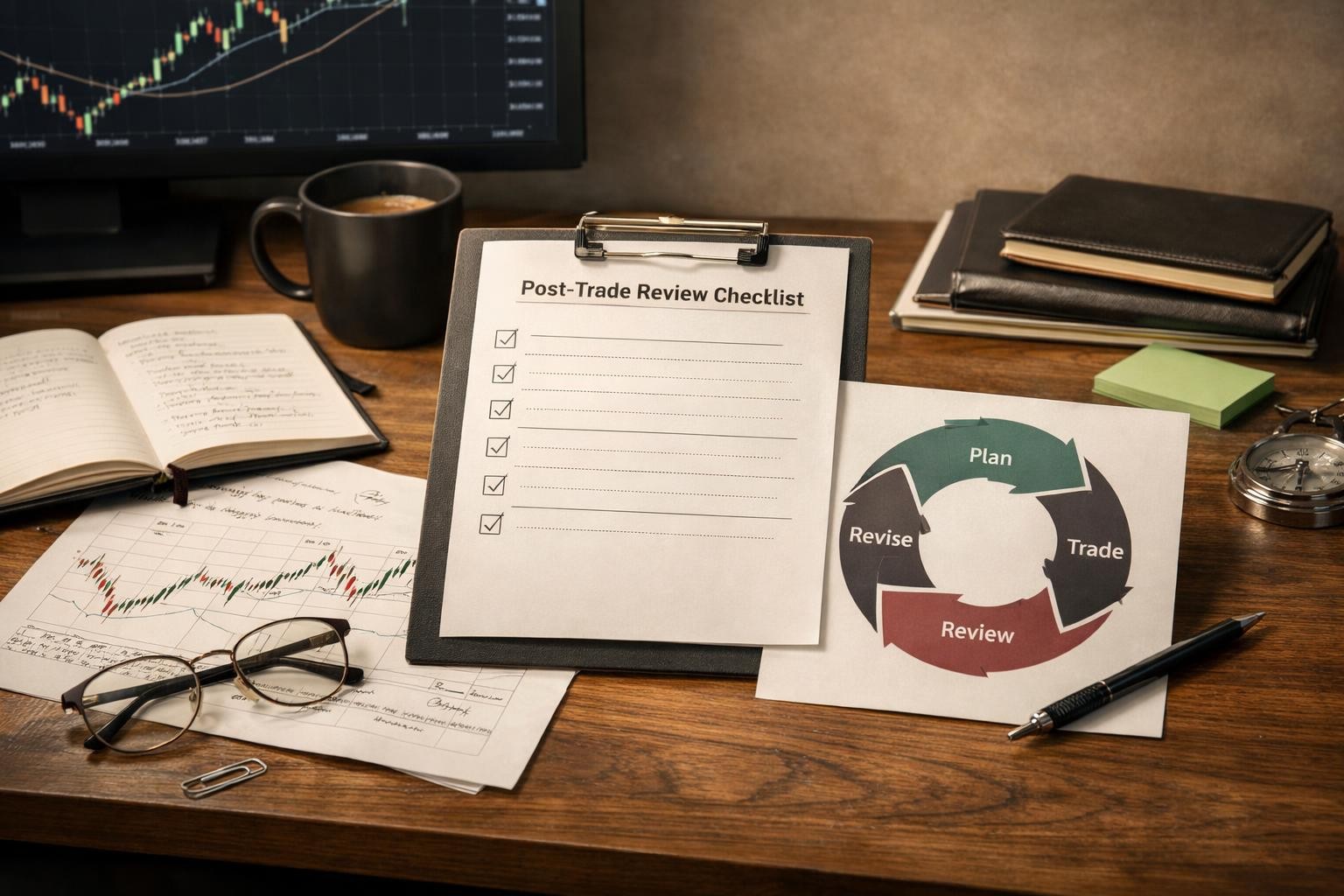
Use this section as the minimum framework before trusting the workflow with real risk. If any one of these items is still vague, the setup is not ready for more complexity.
- Write down the exact market state or operating condition in which the setup is valid, and list the scenarios that should keep it inactive.
- Define the entry logic in language that another disciplined trader could follow without filling in missing context from memory.
- Confirm how the setup connects to risk: invalidation, size logic, account limits, and the point where the thesis is officially wrong.
- Validate the execution path or desk routine that carries the idea from chart note to actual order management, review note, or skip decision.
- Review a recent sample of trades or session notes against the written process before increasing frequency, automation, or size.
A checklist like this does not make the workflow glamorous, but it does make it reliable. That is the point. Search traffic converts when the article gives the reader something operational they can actually use, not when it simply repeats that discipline matters.
Common mistakes and failure modes
Search intent around tradingview automation usually centers on tactics, but the failure-review stage is where the useful edge is built. Common mistakes and failure modes decides whether the trade plan can survive speed, uncertainty, and review pressure without turning into hindsight. If the job of the failure-review stage is unclear here, every downstream decision gets noisier.
Process topics work best when the failure-review stage leaves behind evidence: notes, tags, screenshots, and a review cadence that can explain why a session was clean or chaotic without relying on memory.
What usually goes wrong in the real world
The common failure in the failure-review stage is treating infrastructure, context, and strategy logic as separate topics even though the live trade experiences them as one chain. That often looks harmless in a calm replay because the trader can fill in the missing detail around the failure-review stage from memory. Live conditions are less generous once the failure-review stage has to survive real pace. As pressure increases, the gray areas inside the failure-review stage become delayed entries, skipped filters, inconsistent risk, and notes that no longer match the actual decision path.
The better adjustment is reviewing failures by tracing the workflow backward from the final order to the original context assumption so the actual weak link becomes obvious. That change sounds simple, but it forces the failure-review stage to become concrete. Instead of relying on memory, the trader ends the section with a journal tag, explicit conditions tied to the live setup, and a cleaner line between “valid” and “not valid.”
The review question for this section should be blunt: Was the bad outcome caused by the signal, the context read, the execution translation, or the absence of a proper pause condition? A useful answer for the failure-review stage should be visible in the checklist, journal, screenshot tags, or routing log. If the only answer available for the failure-review stage is “it felt right,” then the process is still depending on discretion in a place that should already be documented.
Review the workflow like an operator, not a spectator
Review the workflow like an operator, not a spectator is usually where tradingview automation stops being an interesting idea and becomes a workflow that can actually be trusted. During the post-session review stage, traders often focus on the trigger itself, but this stage is where the desk decides what the setup is supposed to accomplish, where discretion still belongs, and which assumptions need to be visible before the session starts. In workflow-heavy topics, the post-session review stage usually becomes visible when the plan has to survive real timestamps, real account state, and real review notes instead of a replay narrative.
Process topics work best when the post-session review stage leaves behind evidence: notes, tags, screenshots, and a review cadence that can explain why a session was clean or chaotic without relying on memory.
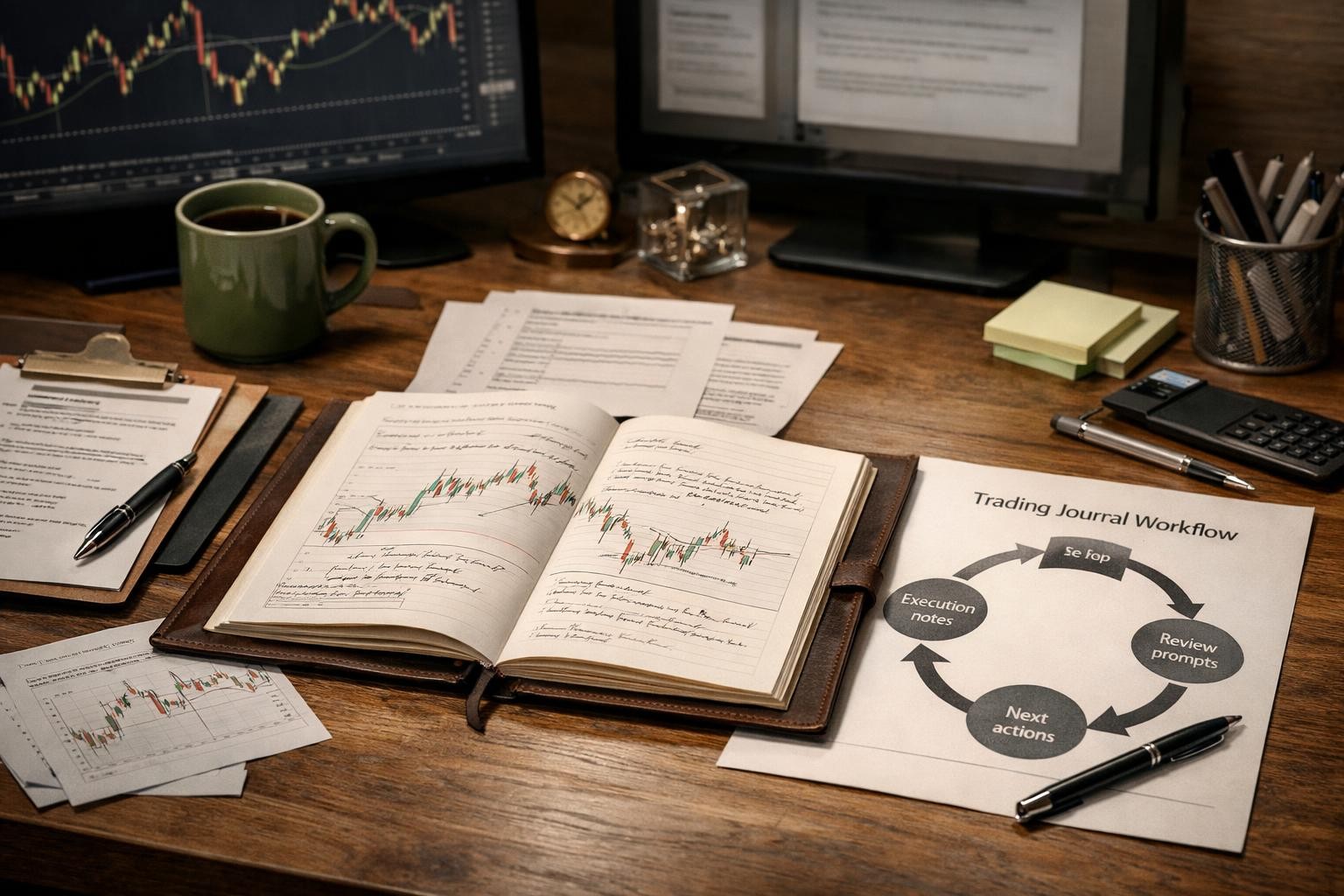
A useful review loop should produce a specific next action
The common failure in the post-session review stage is logging that the workflow felt off without documenting which assumption broke or which check should be tightened. That often looks harmless in a calm replay because the trader can fill in the missing detail around the post-session review stage from memory. Live conditions are less generous once the post-session review stage has to survive real pace. As pressure increases, the gray areas inside the post-session review stage become delayed entries, skipped filters, inconsistent risk, and notes that no longer match the actual decision path.
The better adjustment is running the same review sequence after each session: context, trigger quality, execution translation, fill behavior, and whether the pause logic behaved the way the written process said it should. That change sounds simple, but it forces the post-session review stage to become concrete. Instead of relying on memory, the trader ends the section with a journal tag, explicit conditions tied to the live setup, and a cleaner line between “valid” and “not valid.”
The review question for this section should be blunt: What single process improvement would make the next twenty trades cleaner without adding noise or unnecessary complexity? A useful answer for the post-session review stage should be visible in the checklist, journal, screenshot tags, or routing log. If the only answer available for the post-session review stage is “it felt right,” then the process is still depending on discretion in a place that should already be documented.
Improve the process without turning it into clutter
Search intent around tradingview automation usually centers on tactics, but the refinement stage is where the useful edge is built. Improve the process without turning it into clutter decides whether the trade plan can survive speed, uncertainty, and review pressure without turning into hindsight. If the job of the refinement stage is unclear here, every downstream decision gets noisier.
Process topics work best when the refinement stage leaves behind evidence: notes, tags, screenshots, and a review cadence that can explain why a session was clean or chaotic without relying on memory.
The strongest systems usually get clearer as they mature
The common failure in the refinement stage is answering every rough session by adding another conditional, another dashboard, or another override until nobody can explain the full workflow anymore. That often looks harmless in a calm replay because the trader can fill in the missing detail around the refinement stage from memory. Live conditions are less generous once the refinement stage has to survive real pace. As pressure increases, the gray areas inside the refinement stage become delayed entries, skipped filters, inconsistent risk, and notes that no longer match the actual decision path.
The better adjustment is treating each revision like an editorial decision: keep what materially improves clarity, remove what only protects ego, and document the reason the change exists. That change sounds simple, but it forces the refinement stage to become concrete. Instead of relying on memory, the trader ends the section with a journal tag, explicit conditions tied to the live setup, and a cleaner line between “valid” and “not valid.”
The review question for this section should be blunt: Did the latest change reduce uncertainty for the next decision, or did it just make the workflow feel more sophisticated? A useful answer for the refinement stage should be visible in the checklist, journal, screenshot tags, or routing log. If the only answer available for the refinement stage is “it felt right,” then the process is still depending on discretion in a place that should already be documented.
Measure workflow quality before you scale frequency
Search intent around tradingview automation usually centers on tactics, but the scaling decision is where the useful edge is built. Measure workflow quality before you scale frequency decides whether the trade plan can survive speed, uncertainty, and review pressure without turning into hindsight. If the job of the scaling decision is unclear here, every downstream decision gets noisier.
Measure workflow quality before you scale frequency is the layer where traders stop collecting content and start building an operating system. A better process makes good decisions easier to repeat and weak assumptions easier to expose.
Volume should be earned by clarity, not by impatience
A recurring mistake inside the scaling decision is increasing alert count, product coverage, or account count before the operator has proof that the original workflow behaves cleanly under review. The reason it survives for so long is that the trader can usually explain the scaling decision after the trade. The problem is that post-trade explanation inside the scaling decision is not the same thing as pre-trade clarity. Once volatility expands or several setups compete for attention, the ambiguity inside the scaling decision starts steering the outcome.
A stronger operating move is tracking a short operating scorecard after each session: context quality, trigger quality, routing accuracy, pause-condition behavior, and whether the trade matched the written playbook from end to end. In practice, the scaling decision should leave behind an artifact the desk can review later: a playbook page, a note about the exact setup conditions, and a rule that another operator could follow without guessing what you meant. When the scaling decision survives that handoff, it is usually precise enough to improve.
Use Did the workflow earn more scale by behaving clearly, or did the operator add scale simply because the last few sessions felt comfortable? as the audit question after the session. The answer should point to evidence, not to a mood. If the desk cannot recover the evidence for the scaling decision from the plan, notes, or execution trail, the next revision should simplify the rule rather than add another clever exception.
Document exception handling before the exceptions happen
Document exception handling before the exceptions happen is usually where tradingview automation stops being an interesting idea and becomes a workflow that can actually be trusted. During the exception-handling layer, traders often focus on the trigger itself, but this stage is where the desk decides what the setup is supposed to accomplish, where discretion still belongs, and which assumptions need to be visible before the session starts. In workflow-heavy topics, the exception-handling layer usually becomes visible when the plan has to survive real timestamps, real account state, and real review notes instead of a replay narrative.
Process topics work best when the exception-handling layer leaves behind evidence: notes, tags, screenshots, and a review cadence that can explain why a session was clean or chaotic without relying on memory.
The edge cases are where hidden assumptions usually surface
The common failure in the exception-handling layer is treating rejections, stale positions, symbol changes, partial fills, and platform interruptions like rare surprises instead of routine operating scenarios. That often looks harmless in a calm replay because the trader can fill in the missing detail around the exception-handling layer from memory. Live conditions are less generous once the exception-handling layer has to survive real pace. As pressure increases, the gray areas inside the exception-handling layer become delayed entries, skipped filters, inconsistent risk, and notes that no longer match the actual decision path.
The better adjustment is writing down the exact response to each exception ahead of time, including whether the system should retry, pause, flatten, notify the operator, or wait for manual review before doing anything else. That change sounds simple, but it forces the exception-handling layer to become concrete. Instead of relying on memory, the trader ends the section with a review worksheet, explicit conditions tied to the live setup, and a cleaner line between “valid” and “not valid.”
The review question for this section should be blunt: If the workflow hit an ugly edge case in the first hour tomorrow, would the response be obvious from the documentation or improvised under pressure? A useful answer for the exception-handling layer should be visible in the checklist, journal, screenshot tags, or routing log. If the only answer available for the exception-handling layer is “it felt right,” then the process is still depending on discretion in a place that should already be documented.
Teach the workflow so another operator could run it
Most operators discover the real difficulty of tradingview automation during the handoff layer, not only at the moment of entry. A transferable version of tradingview automation matters because it forces the trader to separate observation from action, context from confirmation, and written rules from improvisation. When the separation inside the handoff layer is vague, the setup can sound sophisticated while still being impossible to audit cleanly.
Process topics work best when the handoff layer leaves behind evidence: notes, tags, screenshots, and a review cadence that can explain why a session was clean or chaotic without relying on memory.
Clarity is easiest to test when you have to explain it cleanly
The common failure in the handoff layer is keeping the logic in the trader’s head, which creates the illusion of control right up until the workflow has to be debugged, delegated, or rebuilt months later. That often looks harmless in a calm replay because the trader can fill in the missing detail around the handoff layer from memory. Live conditions are less generous once the handoff layer has to survive real pace. As pressure increases, the gray areas inside the handoff layer become delayed entries, skipped filters, inconsistent risk, and notes that no longer match the actual decision path.
The better adjustment is explaining the setup as if a second operator needed to execute, review, and improve it without relying on intuition or historical memory from the original designer. That change sounds simple, but it forces the handoff layer to become concrete. Instead of relying on memory, the trader ends the section with a review worksheet, explicit conditions tied to the live setup, and a cleaner line between “valid” and “not valid.”
The review question for this section should be blunt: Could a second operator explain why the workflow activated, why it stayed inactive, and what the next revision should be after reviewing a bad session? A useful answer for the handoff layer should be visible in the checklist, journal, screenshot tags, or routing log. If the only answer available for the handoff layer is “it felt right,” then the process is still depending on discretion in a place that should already be documented.
Bottom line
TradingView automation checklist: what traders should verify before going live matters because active traders do not need more surface-level content; they need explanations that travel all the way from idea to execution. The durable version of tradingview automation is not a slogan. It is a documented workflow that defines context, trigger quality, routing rules, pause conditions, and the review loop that keeps the process honest when the market changes. That is what makes the topic useful for search traffic and valuable for the reader at the same time.
Frequently asked questions
What should traders define first when building tradingview automation?
Define the market context and the exact job the workflow is supposed to do before you worry about automation or routing details.
Why do these workflows usually fail in live trading?
They usually fail because the context, signal meaning, routing assumptions, or pause conditions were never written clearly enough to survive live pressure.
What makes a blog post on this topic actually useful?
It should give the reader a concrete framework, an implementation example, a checklist, and a review process they can apply immediately.
Newer
What funded traders should know about automation, drawdown discipline, and account hygiene
Older